How your brain drives PMOS hormone Imbalance
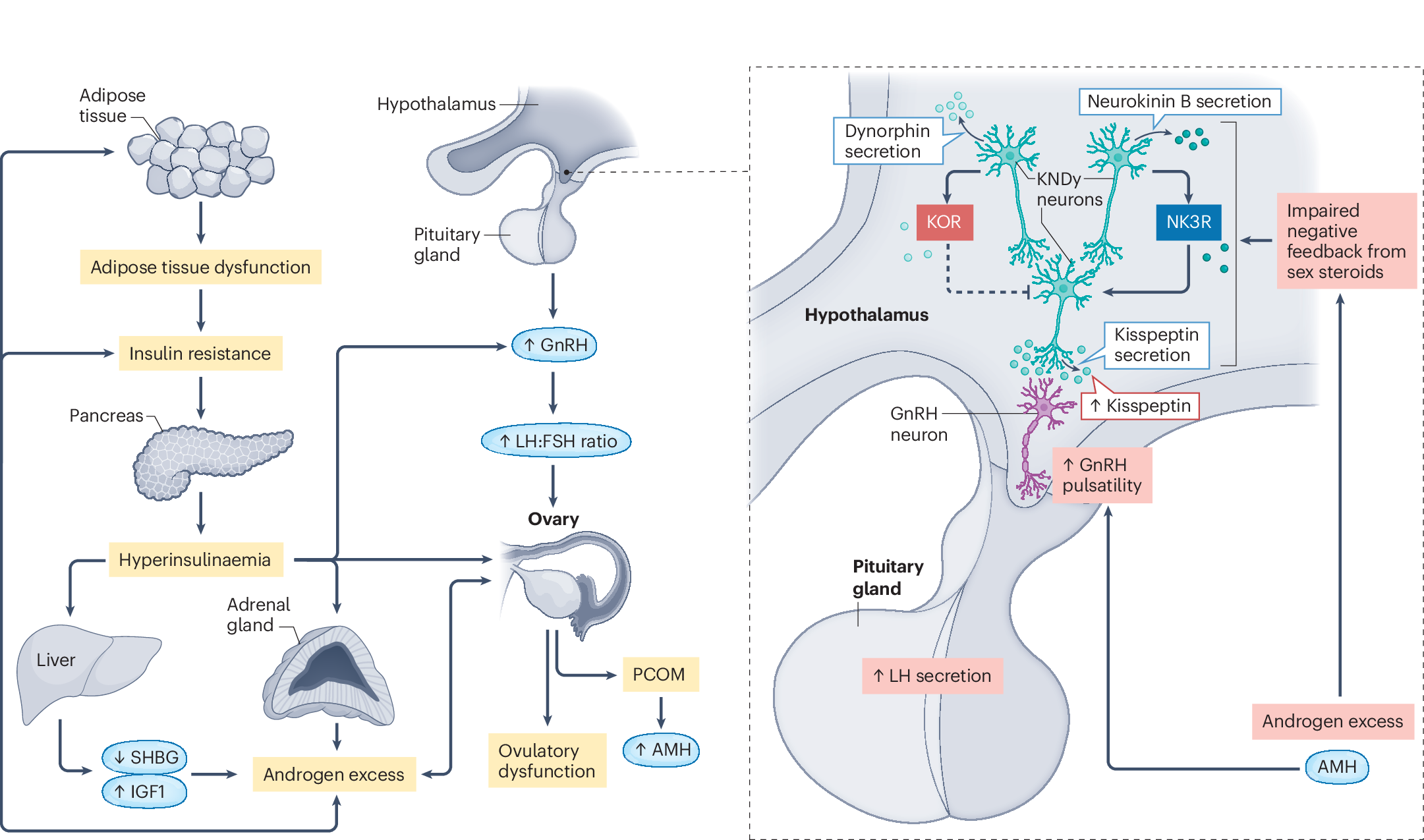
Like most systems in your body, the endocrine system — or the network of glands that produce and regulate hormones — doesn’t operate without instructions. Endocrine glands, including your adrenal glands, pancreas, and ovaries, receive instructions from your brain on what hormones to produce, when to produce them, and how much to produce. Many of these instructions are given out by a small structure at the base of your brain called the hypothalamus. Think of it like your tiny hormonal EA – constantly interpreting messages from the body and responding regardless of how late it is.
Your hypothalamus regulates a truly remarkable number of bodily functions. Body temperature, hunger, thirst, sleep and circadian rhythm, stress response, and, most critically for PMOS, the regulation of your menstrual cycle and ovulation.
Why renaming PCOS to PMOS Matters - and what we think about it
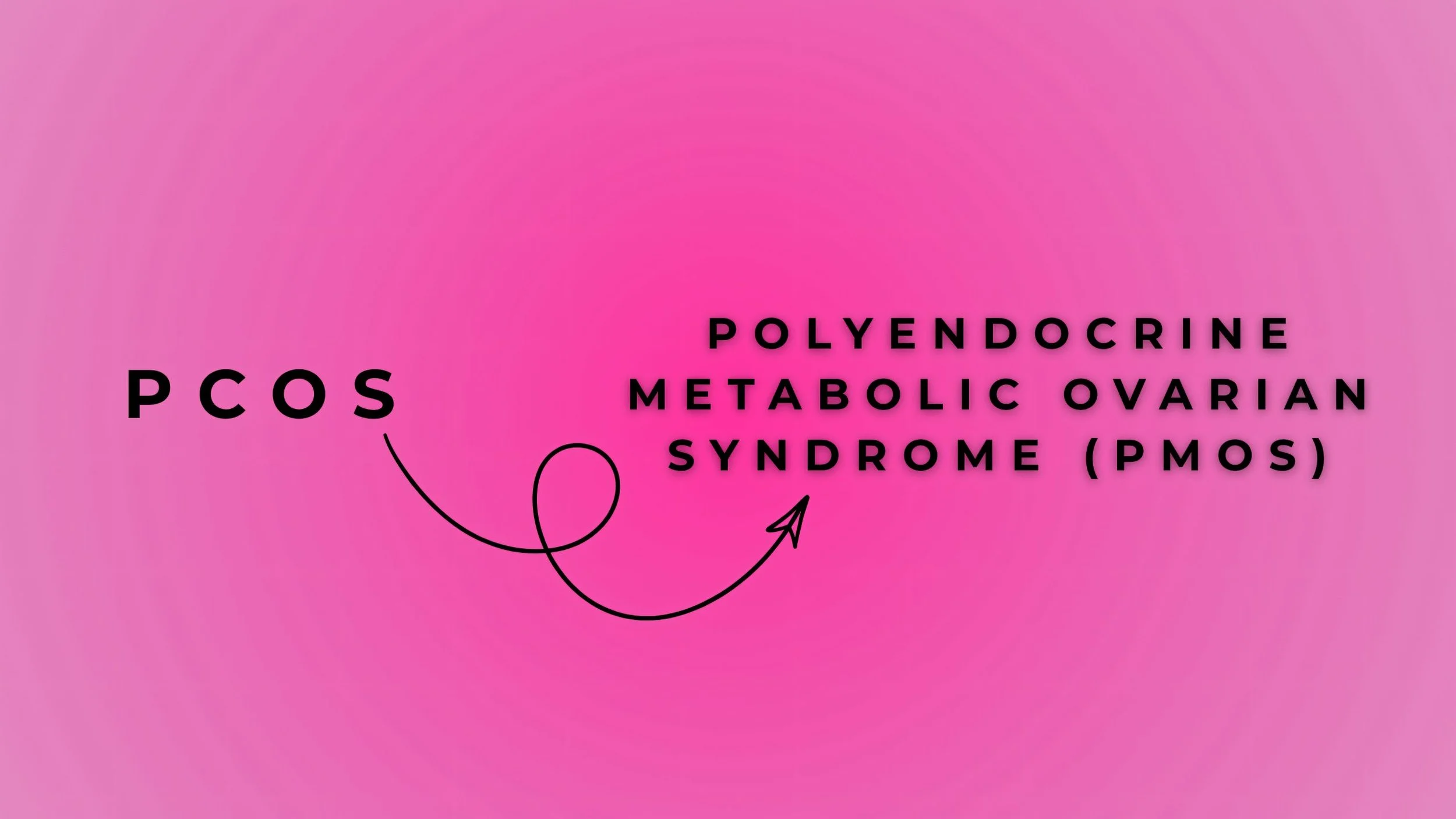
Today, after more than a decade of global research, patient advocacy, and clinical consensus, Polycystic Ovarian Syndrome officially became Polyendocrine Metabolic Ovarian Syndrome, or PMOS.
The announcement was published in The Lancet and presented at the European Congress of Endocrinology this morning. 56 leading academic, clinical, and patient organizations were involved. 14,360 people with the condition contributed. 87 out of 90 expert voters supported the new name immediately (1).
I’ve had this condition for years. I spent 18 months systematically reversing my own symptoms using in-depth research, daily symptom and biomarker testing, and regular labs to understand what was driving them. And I can tell you as both a patient and someone building specifically for PCOS why this renaming matters.
A note from the founder
When it comes to fitting what we societally view as “healthy,” I am unfortunately not one of the genetically chosen ones. People called me chubby since the age of five, I always had an appetite that outpaced the many sports I played, and by age eleven my mom (out of love) asked if I wanted to join Weight Watchers.
I grew up feeling out of place in the diet culture-driven culture of the 90s and 2000s, feeling like I had to fight my body at every turn. By age fourteen this manifested as severely disordered eating and losing my menstrual cycle. By age sixteen I had developed extreme anemia and started passing out while going on runs – which I did consistently after school, before playing multiple hours of volleyball. I had internalized a definition of “health” to be constantly chasing the smallest version of myself, exercising until I (quite literally) passed out, never eating more than 1,500 calories a day, and never, ever, losing self control.